Roof Flashing Explained: Small Details That Stop Big Leaks
When homeowners think about roof integrity, durable tiles and sturdy metal sheets usually come to mind first. However, the most vulnerable points of any roofing structure are the joints, valleys, and penetrations where different surfaces meet. This is where roof flashing plays a critical role. Flashing serves as a weatherproof barrier designed to direct water away from seams and vulnerable junctions straight into the gutter system, preventing devastating structural moisture damage.
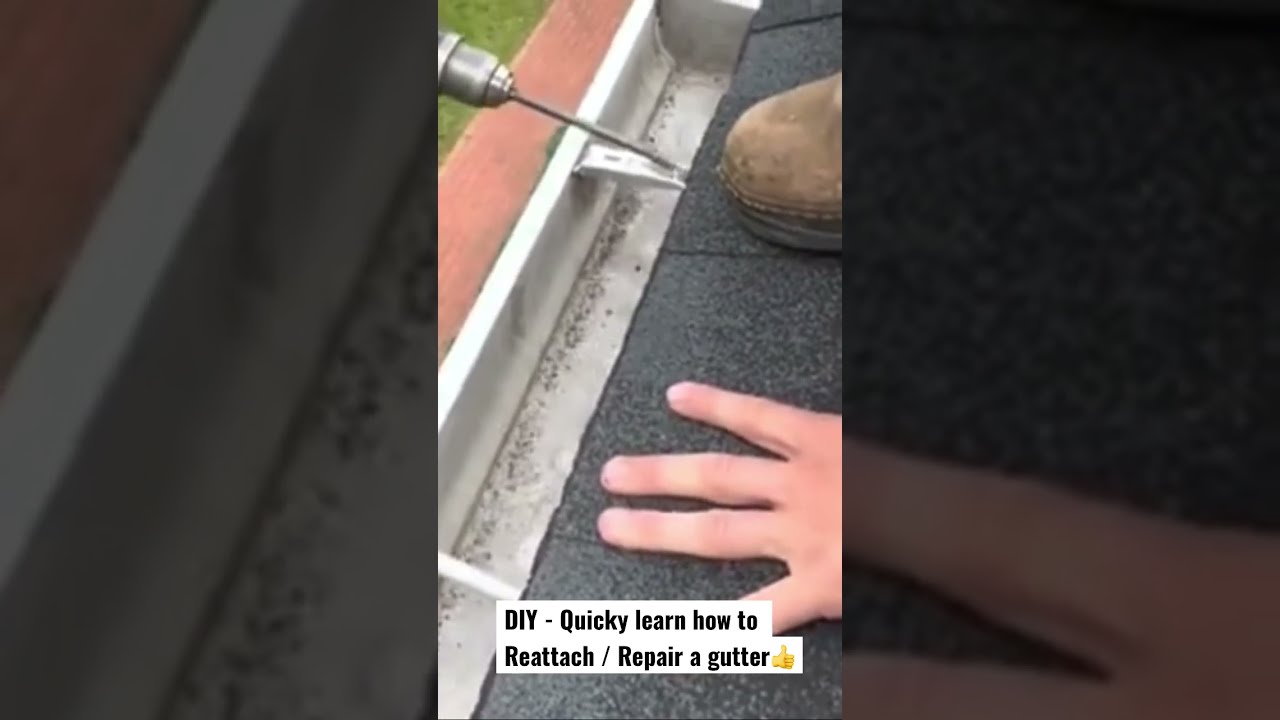

What Is Roof Flashing and How Does It Work?
Roof flashing consists of thin pieces of impervious material—most commonly coastal-grade aluminium, Colorbond steel, copper, or lead—installed at roof intersections. Rather than relying solely on chemical sealants that degrade under intense sunlight, flashing uses gravity, overlap, and mechanical design to steer runoff across roof transitions.
Whenever an opening is cut into a roofline or two sloping planes intersect, surface tension and wind can drive rainwater backward into the underlayment. Flashing bridges these gaps, acting as an engineered slipway so that driving rain continues flowing downward without finding a path inside the ceiling cavity.
High-Risk Areas That Require Roof Flashing
Certain sections of a roof encounter concentrated water volume and turbulent winds, making proper flashing installation essential to the home's defence.
- Valleys: The internal angle formed where two sloping roof sections meet; valleys handle exceptionally high volumes of stormwater during intense squalls.
- Chimneys and Parapets: Masonry penetrations where horizontal roof planes abut vertical brick or limestone walls, requiring both step flashing and counter-flashing.
- Vent Pipes and Flues: Circular penetrations that require specialised flexible rubber or lead boots to seal around service pipes without inhibiting ventilation.
- Skylights and Dormers: Raised architectural features that disrupt normal runoff patterns, requiring custom-fitted surround flashings on all four edges.
The Fremantle Factor: Coastal Weather and Flashing Longevity
Roofing systems in coastal Western Australia face environmental stressors not found in inland areas. In Fremantle and greater Perth, the combination of strong maritime winds and salt air creates specific risks for flashing assemblies. The afternoon sea breeze—locally known as the Fremantle Doctor—routinely drives rainfall horizontally, forcing moisture under dislodged or improperly seated flashing sections.
Furthermore, marine atmospheric conditions accelerate the corrosion of standard metals. In 2026, building standards for coastal properties within severe marine zones recommend the https://johnathanfhop784.halcyonledger.com/posts/is-preventive-roof-maintenance-worth-the-annual-cost use of high-performance coatings, such as marine-grade Colorbond Ultra or heavy-gauge non-ferrous metals. Standard galvanised flashings installed too close to the coast often suffer from premature galvanic corrosion, causing pinhole leaks that escape notice until substantial internal water damage has already occurred.
Detecting Flashing Failure Before Structural Damage Occurs
Because flashing is relatively small compared to the overall roof expanse, failing sections are easily overlooked during routine visual checks. Catching deterioration early prevents rotted roof battens, compromised insulation, and ceiling collapses.
- Perform an internal ceiling inspection: Search for damp patches, peeling paint, or discolouration on ceilings directly below internal roof valleys, chimneys, or skylight shafts.
- Examine flashings for physical displacement: Strong coastal wind events can lift apron or perimeter flashings, breaking the mechanical seal and creating direct channels for water entry.
- Check for material deterioration: Look for cracked solder lines, dried and shrunken polyurethane sealants, or reddish-white rust deposits along the exposed metal edges.
Ensuring Lasting Protection for Your Roof
Maintaining high-performance flashing is one of the most cost-effective investments a property owner can make. While a full roof replacement requires substantial capital expenditure, repairing or replacing deteriorated flashing sections provides immediate protection against major internal water damage. For coastal homes in Fremantle, regular inspections following winter storm cycles ensure that these small metal details continue doing the heavy lifting of keeping properties dry and secure.
Fremantle Roof Restoration & Repair
WA, 6160
(08) 9515 3082